
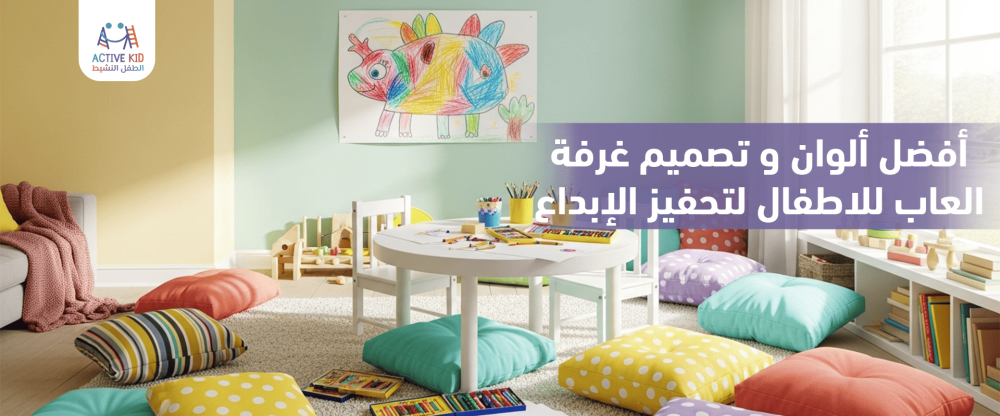
Designing a children's playroom is one of the most influential elements of home décor on a child's growth and intellectual and emotional development. The room is not just a place for play and entertainment; it's a space where children learn to think, explore, and develop creativity. Through clever colors and designs, you can transform a playroom into an interactive space that encourages imagination and creativity and nurtures a child's curiosity.
This article highlights the best colors and designs for children's playrooms that stimulate creativity, and explains how parents can choose a balanced decor that combines fun and focus, with practical examples and ideas to implement at home.
Turn your child's imagination into reality with Active Child , where you will find the latest home playroom designs that combine fun, safety and high quality to create a vibrant and creative environment!
How do colors affect a child's behavior and creativity in the playroom?
To understand the importance of color in designing a child's playroom , one must consider color psychology and how a child's brain reacts to different visual frequencies. Colors are not merely decorative; they are powerful stimuli that directly influence a child's mood, energy, concentration, and creativity.
Warm colors and active play:
Warm colors like red, orange, and yellow are stimulating and exciting, increasing a child's energy and activity levels. When designing a child's playroom, these colors can be used in areas for physical play and areas designated for high-energy activities.
- Red: Associated with activity and energy, but should be used sparingly as it can lead to overstimulation and anxiety. It is best used as a secondary color in furniture or some toys.
- Orange: A blend of the energy of red and the joy of yellow. It is a positive color that promotes trust and social interaction, making it ideal for shared spaces.
- Yellow: Associated with happiness, optimism, and creativity. It can be used to paint a single wall or to color an art activity area, as it stimulates thinking and increases attention.
Cool colors and a calming focus:
Cool colors such as blue, green, and purple are calming and relaxing colors, and are essential for designing a children's playroom that aims to promote concentration and quiet activities:
- Blue: A calming color that reduces anxiety and stress, and aids in focus and logical thinking. Ideal for reading nooks or areas dedicated to puzzles and building games that require patience.
- Green: the color of balance, nature, and growth. It has a calming effect on the eyes and helps improve concentration and reading ability. It can be used as a base background in the design of a child's playroom.
- Indigo/Violet: Associated with imagination and wisdom. Can be used in storytelling or meditation to enhance deep spirituality and creativity.
Color balance strategy:
The best children's playroom design is one that applies the 60-30-10 strategy:
- 60%: A calm and neutral base color (beige - light gray - bright white) on the walls.
- 30%: A secondary color (e.g., green-blue) to define a specific area.
- 10%: Bright and warm colors (red - yellow) are used as a third color in accessories and toys only for a stimulating dose.
Ideal colors for girls' and boys' playrooms according to color psychology:
Although the traditional division of colors (blue for boys and pink for girls) is no longer mandatory, their preferences can be used as inspiration to create a children's playroom design that suits their personality and motivates them.
Neutral playroom colors:
The modern trend in children's playroom design relies on neutral colors that suit everyone and promote diversity:
- Pure white: It provides the perfect backdrop that allows the colors of games and artistic creations to stand out. It serves as a blank canvas for renewed imagination.
- Light gray and beige: provide a modern and calming base, and you can combine them with any bright color without them causing excessive stimulation.
- Earthy and watery colors: aqua green, petrol blue, mustard yellow. These colors combine tranquility and appeal.
Perfect color accents for girls' rooms:
When designing a playroom for girls, you can focus on colors that stimulate emotional and creative expression:
- Soft pink (Blush Pink): Promotes calmness and empathy, but bright shades of it should be avoided.
- Light purple (Lavender): The color of imagination and depth, great for role-playing and fairy tales.
- Turquoise and azure blue: Combining the tranquility of blue with the vibrancy of green, it is ideal for a room with a nautical or fantasy theme.
Perfect color accents for boys' rooms:
When designing a playroom for boys, colors that promote concentration and physical activity can be used:
- Dark blue or navy: can be used for a single wall in a concentration or study area, as it promotes deep thinking.
- Lime Green: It symbolizes energy and adventure, and is suitable for climbing areas or physical activities in the design of a children's playroom .
- Red and saturated yellow: Used in challenge and building areas (such as the Lego area) to increase alertness and engineering skills.
Clever designs to stimulate children's imagination and creativity at home:
Divide the room into different activity zones:
To stimulate creativity, it is preferable for a children's playroom design to include different activity areas:
- An area for drawing and crafts with a table and paint tools.
- A reading area equipped with comfortable cushions and a small library.
- An area for physical games such as building blocks or a small slide.
This division allows the child to move between different activities easily and develops his diverse abilities.
Interactive walls:
Walls aren't just for decoration; they can be transformed into stimulating learning tools. You can paint a section of them with chalkboard paint for drawing, or install magnetic boards for playing with letters and shapes. This type of children's playroom design turns walls into an ongoing learning space that enriches a child's imagination.
Using multi-functional furniture:
In small spaces, clever furniture is an ideal choice. For example, storage boxes that also double as seats, or a folding table, can be used. Convertible furniture keeps things organized and allows children freedom of movement, fostering creativity in a tidy and comfortable environment.
Encouraging teamwork:
One of the cornerstones of smart design is allocating spaces that encourage children to play together. A large rug can be placed in the center of the room to create a communal activity area, fostering a spirit of cooperation and stimulating social interaction.
Tips for choosing a balanced decor that combines enjoyment and focus:
Combining cheerful colors with calming shades:
It's important that the room not be cluttered with only strong colors, but also include calming shades that help the child concentrate. For example, the walls could be a light color, while vibrant colors are added through furniture or accessories. This balance creates visual beauty and makes the room a pleasant and comfortable place at the same time.
Using lighting as a design complement:
Lighting is a key element in any children's playroom design . Multi-level lighting is recommended.
- Strong lighting for educational activities.
- Soft lighting for reading and relaxation.
- Colorful lights create a fun atmosphere during playtime.
Maintaining organization and cleanliness:
Clutter stifles creativity, so it's important to equip the room with smart storage solutions like shelves or boxes divided by toy type. Teaching children how to tidy their room after playing helps them develop practical skills and creates a more harmonious environment.
Safe and environmentally friendly materials:
All materials used in a child's playroom must be safe and non-toxic. It is recommended to use paints free of harmful chemicals and furniture made from natural materials.
Personal touches for the child:
Adding unique touches like the child's photos, drawings, or favorite belongings makes the room a reflection of their personality and encourages self-expression. These small details transform a playroom into a personal space that fosters belonging and creativity.
Innovative ideas for designing a children's playroom in a modern style:
Story-themed game rooms:
The room can be designed according to a story the child loves, such as a magical forest or a space world. Colors and furniture are used to support this idea, sparking the child's imagination and creating a unique experience within their room.
Art-inspired design:
Using graphic art or large murals gives a room an artistic look. A wall can also be dedicated to a different theme, with the child participating in the artwork and having their design changed periodically.
Integrating educational technology:
Some families prefer to incorporate technological elements into the design of their playroom, such as smart boards or interactive projectors. However, it is advisable not to overuse them so that the room does not lose its natural character.
Secret corners and small hiding places:
Children love private and hidden spaces. A small tent or fabric tunnel can be designed to make a child feel like they are in their own world. These ideas foster imagination and encourage free play.
Sustainable designs:
An eco-friendly design can be adopted using recycled furniture and organic colors. This type of design instills in children from a young age a sense of environmental responsibility.
Conclusion:
Designing a playroom for children is a crucial step in creating an environment conducive to growth and creativity. Choosing the right colors and a smart design not only gives the room a beautiful appearance but also positively impacts the child's concentration, mood, and daily behavior.
By combining bright colors with calming shades, and dividing the space into multiple activity zones, a room full of fun and inspiration can be created.
Ultimately, a child's playroom is more than just a place to play; it is a space that fosters imagination, nurtures creativity, and expresses the child's own world.